

We Are Land-Grant
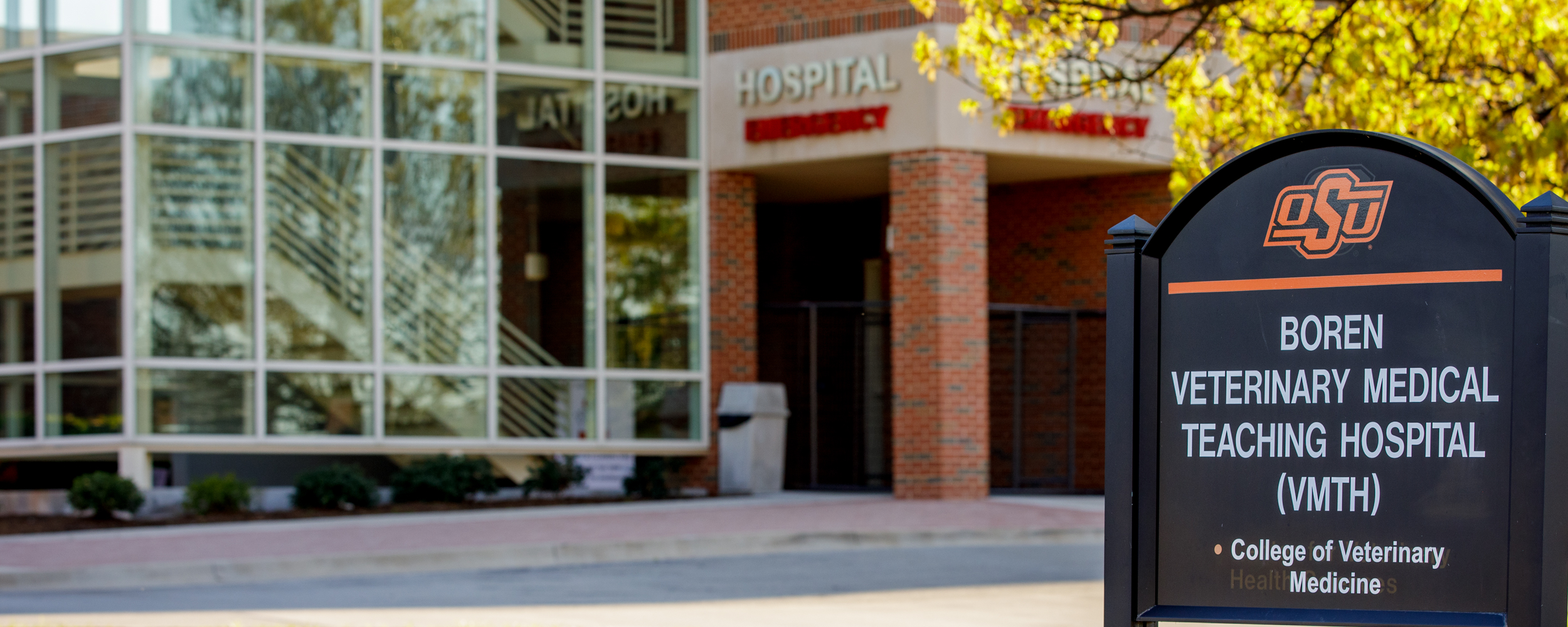
Dr. Kelly Black on OSU's veterinary teaching hospital
Your browser does not support the
TRANSCRIPT:
Mack Burke: I'm Mack Burke, host of We Are Land Grant, and I'm joined today by Dr. Kelly Black, who has served as director of OSU Veterinary Teaching Hospital since 2023. Dr. Black, welcome.
Kelly Black: Hi Mack. Thanks for having me.
Mack Burke: As a land grant institution, OSU is called to broaden educational access and pursue research that helps address society's most pressing challenges.
What does the Land-Grant mission mean to you?
Kelly Black: So for me, the Land Grant mission means that we are here to try to help everybody across the state of Oklahoma in the various different ways that we reach out to animals, whether that is individuals with their pet animals or if that's large animals.
So we have obviously a, a large beef cattle presence throughout the state and agricultural animals all the way down to the, the smallest little pet animal that, you might have living in your living room. So our goal is to try to help each and every one of those.
Mack Burke: Can you talk about why veterinary medicine is so crucial here in this state and why the veterinary teaching hospital is such a big part of that?
Kelly Black: Oklahoma's a big agriculture state, so we deal with not only the, the pet animals that everybody has in their living rooms, but we also deal with lots of agricultural animals such as beef cattle across the state as well. And one of the things that we have that goes on significantly at the hospital is research into things such as parasitology, researching new drugs to help produce better beef, better animals.
And make sure that we're producing and maintaining the food supply for not just Oklahomans, but people across the country.
Mack Burke: If the veterinary teaching hospital weren't here, and the CVM wasn't a resource for producers in Oklahoma, where could they turn?
Kelly Black: We are the only referral hospital for agricultural animals in the state of Oklahoma.
So if we did not have that in Oklahoma right now, they would have to go to a different state. In order to get a lot of that.
Mack Burke: This spring, OSU received a record $250 million from the legislature to build a new state-of-the-art teaching hospital. Combined with previously secured funding of nearly $80 million, OSU now has roughly $330 million to make this dream a reality.
What does that mean for the hospital? What does that mean for the state and what are you most excited about?
Kelly Black: This means that we're gonna be cutting edge for the next 40 years. So our, our current teaching hospital has really served us well for the last 40 years. But it's definitely in need of a replacement and it's time for us to upgrade some facilities We had looked at just renovating the current hospital, and the problem with that is by the time that we did the renovations, we would be costing probably the same amount of money that we're getting from the legislature now.
And putting that into the current teaching hospital, you wouldn't really see any difference because most of that would go into infrastructure such as plumbing, electrical, etcetera. When you're looking at building a building of that size and with the amount of equipment that needs to go into it for cutting edge things it's not just that we're, we're buying a little otoscope or a stethoscope that everybody has, we're gonna have equipment that nobody else in the state and a lot of times surrounding states do not have.
Mack Burke: I understand you'll also have some separate funding to hire specialists, and that's been a big point of emphasis for you. Can you talk about that and what you're looking for in the future?
Kelly Black: So, over the last two years since I've been here, we have hired, I think approximately 28 new faculty members. And those are in a lot of specialty areas that we had either lost or not even ever had before. So for instance, we have a veterinary neurologist that is supposed to be starting here in the next month and we have never had a boarded veterinarian neurologist at the hospital before.
So that's a new thing for us. So we've had a big emphasis on rehiring those services that had shut down or had not been doing well for a while. And now that we have that funding available, we're able to offer competitive salaries for a lot of those that that had left and be able to get a lot of those services coming back into the hospital.
And that means that we're able to offer much more services to the local community and the surrounding areas.
Mack Burke: What's the reaction been like from students, alumni all the stakeholders surrounding the college and, and what do you think this will mean for the teaching aspect of the hospital?
Kelly Black: I think the students are probably the most excited because they're working in a facility, like I've said, that's 40 years old and it's not cutting edge right now.
So they're really excited about having new specialists that are coming in so that they can learn from them. They're excited about having new equipment that they can learn on, so they can go out into their communities and give back to those communities. We have a lot of students that are wanting to stay in Oklahoma, go out to the rural areas, and this will help train them and make sure that even in the rural areas, those students have the most cutting edge technology and education that they can have. So I think they're very excited about it.
Mack Burke: Dr. Black, thanks for joining us.
Kelly Black: Thanks for having me.